Our Philosophy
We elevate humanity by staying true to our belief of children and their competency, our role as researchers and observers, connection and parent education with our families, local and international communities who hold the same value and respect for children. We elevate humanity by learning and growing with innovative thinkers and change makers, instill a love of learning and a strong sense of self in each child and the communities that support the child.
Pedagogy
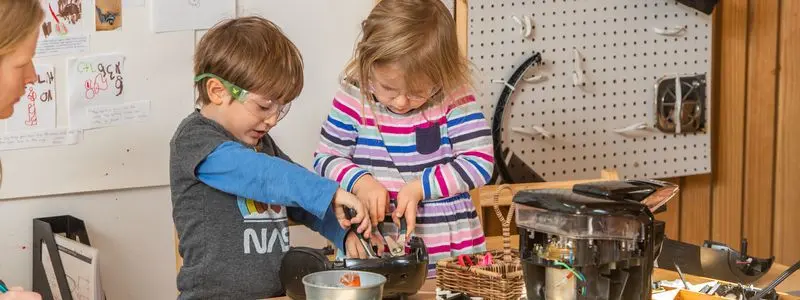
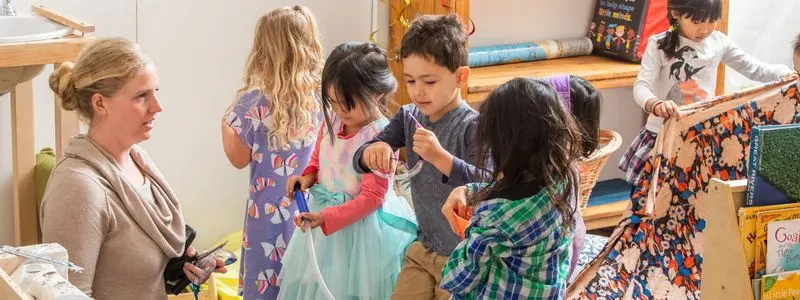
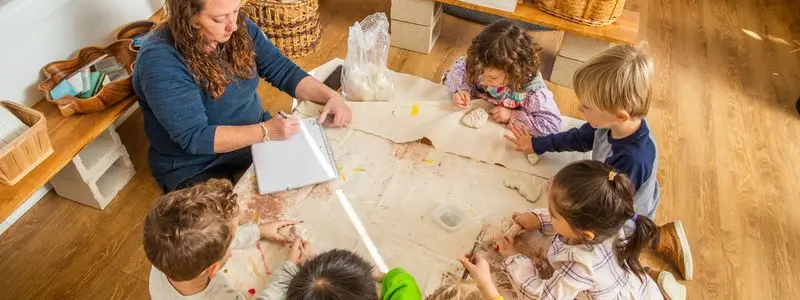
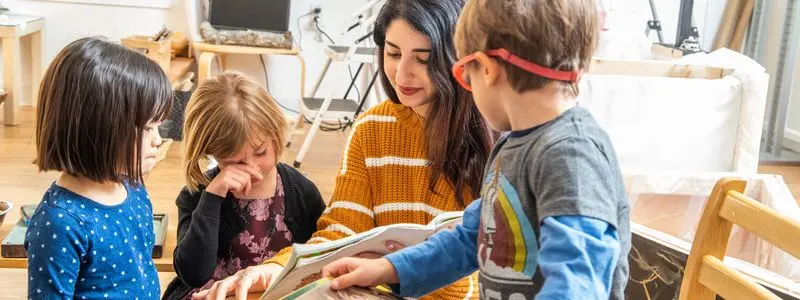
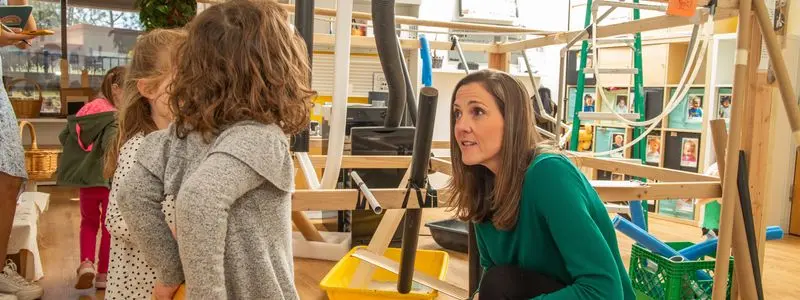
Reggio Emilia approach believes that children are capable, competent, and constructor of their own knowledge. As educators we become observers and researchers of children’s play to investigate, hypothesize and learn alongside them.
Social Emotional Support
At Dot To Dot, we believe in nurturing responsible, respectful, and resourceful children through Positive Discipline—an approach shaped by Dr. Jane and rooted in the insights of Adler and Dreikurs. This method empowers children as active participants in their learning and behavioral growth, focusing on solutions and collaboration rather than punishment.
Atelier and Atelierista
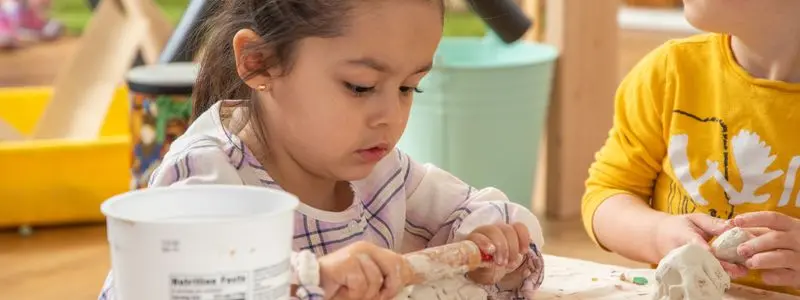
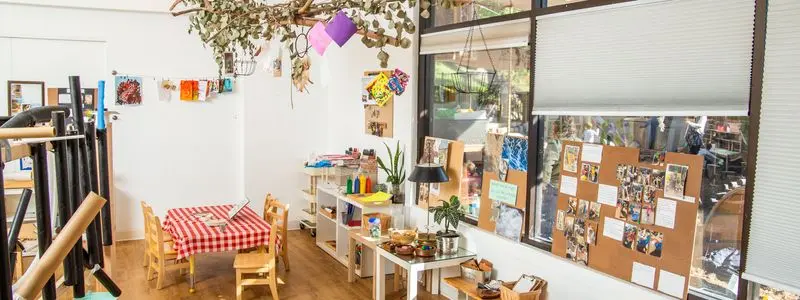
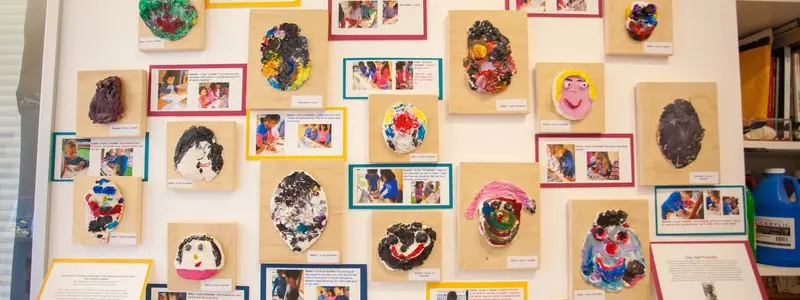
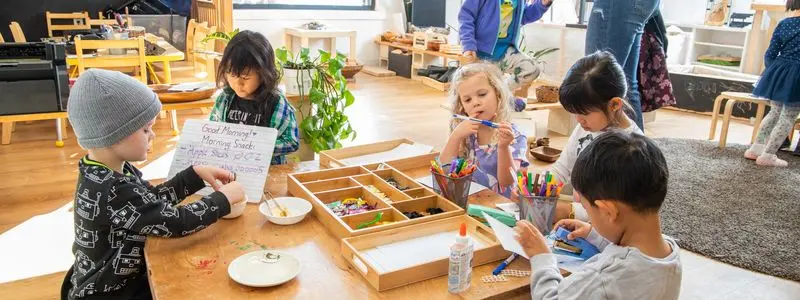
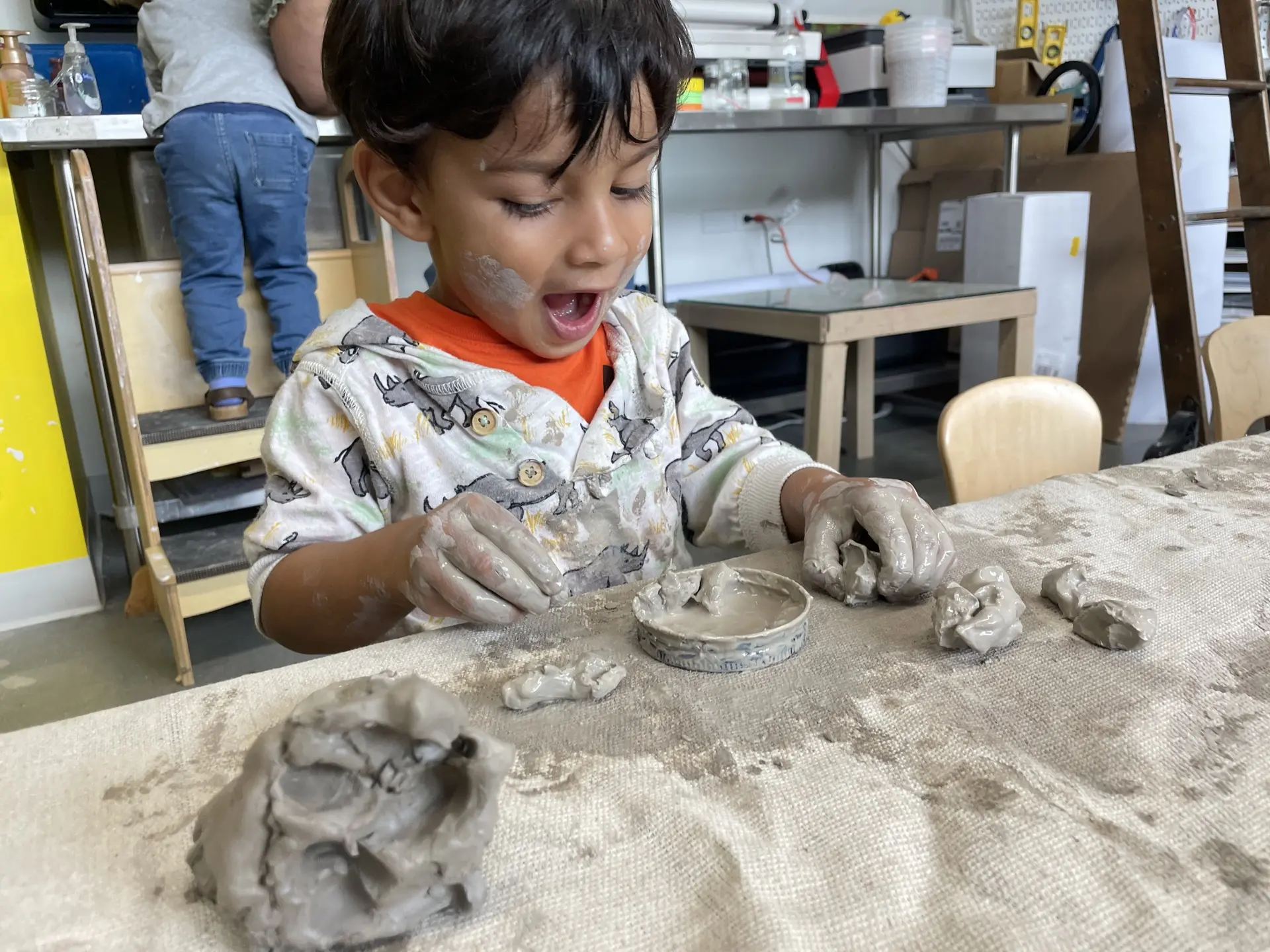
“Atelier” means “art studio” or “workshop” in French. The Atelier is a welcoming and inspiring place offering various materials to promote knowledge and creativity. We wonder, propose questions, and provide intentionally intelligent materials to support and expand children’s interests, questions, and ideas. The many different and complex materials are called languages and provide the children the opportunity to express themselves, their feelings, and their ideations.
Food Atelier
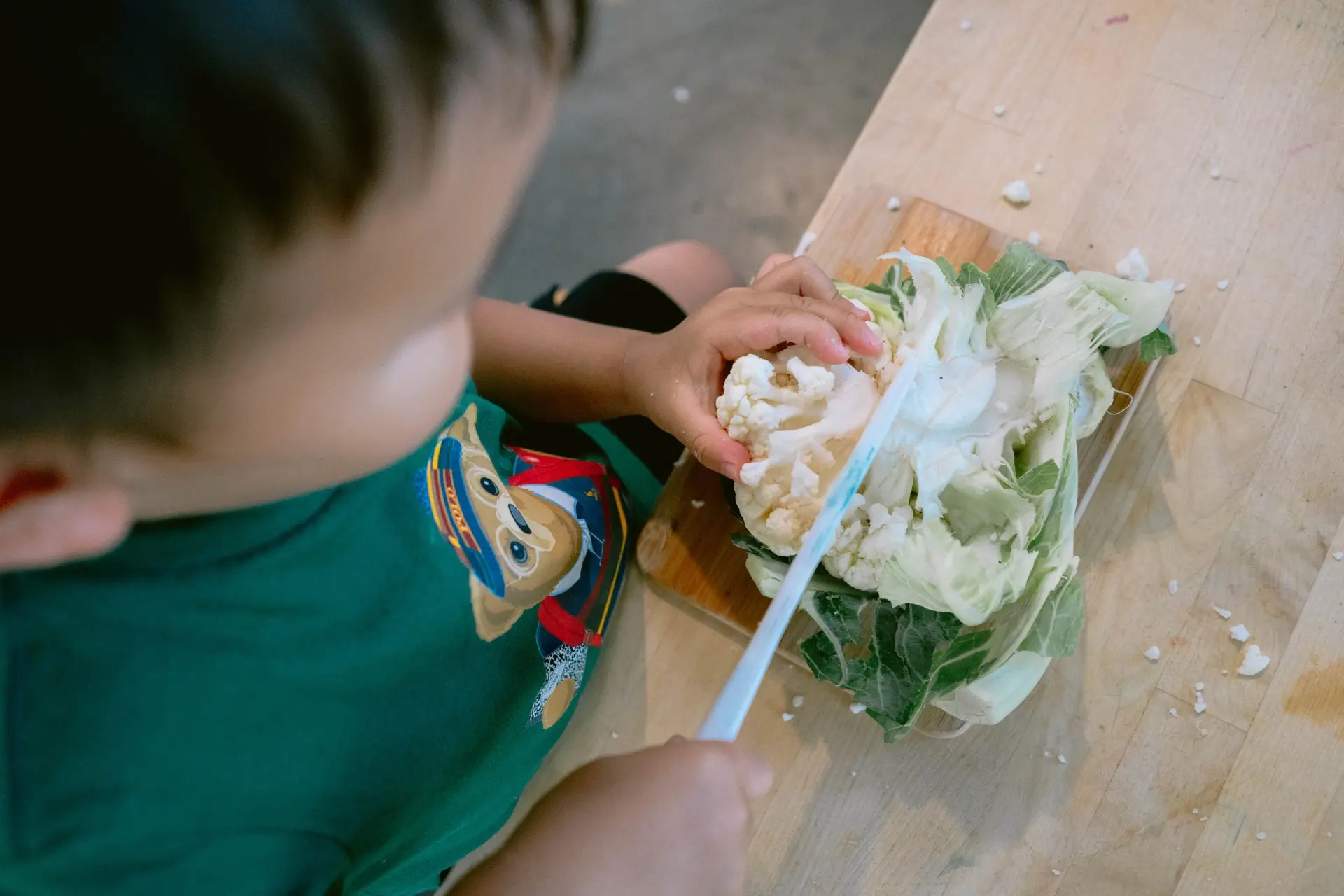
At Dot To Dot we believe that food is a life source, the fuel for our body, food is love. Our Food Atelierista plans our monthly menus, creating delicious meals, and works closely with our pedagogistas to create explorations in our Food Atelier aligned with the inquiries, harvests, and menu items in the week.
Mazi’s story
Welcome to a pivotal moment in choosing your child's future. From birth to five, children develop 90% of their brain—a foundation for who they’ll become. My story is closely linked to yours. As a mother of two, I started Dot To Dot while searching for the perfect school for my then 10-month-old, who is now a vibrant 13-year-old.
With a background in architecture and design, creativity, problem-solving, and possibility have always been core values I wished to instill in my daughter. On my quest for a suitable school, I discovered the vast potential in her, something every parent sees in their little ones. This journey led me to the Reggio Emilia and inquiry-based approach, which honors children as natural learners and explorers.
This philosophy transformed my perspective, turning learning into an exploration of possibilities. It’s about discovering together, witnessing their wonders and frustrations, and joining them in moments of joy and curiosity. Learning is a dynamic experience—being present and alive to life’s unfolding story.
We opened Rancho Bernardo in 2015 and Carmel Valley in 2021. Elevating human potential through a child's eyes fuels my life's work. Seeing the world through their lens is magical. My role has grown from doing it all to collaborating with an incredible team committed to our vision. From daily operations to cultivating relationships, developing growth plans, and nurturing our community, my focus is on fostering an environment where we all thrive.
I warmly invite you into this journey at Dot To Dot. Together, we aspire for something bigger and better for our children, safeguarding their boundless intelligence.
Dot To Dot is woven into my life’s fabric. My family and I embrace adventures and explorations, sharing weekend rituals and stories that connect us. Whether it's travel, quality conversations over dinner, or simply enjoying our time together, these moments reflect the essence of Dot To Dot.
Join us as we create a future filled with curiosity, growth, and boundless potential.
Mazi
Originator
Shahnaz
Chief Administrative Officer
Frieda
Atelierista and Creative Director
Angela
Social-Emotional Support (SES) Specialist
Nicole
Pedagogista
George
Pedaogogista
Kayla
Core Facilitator
Aaron
Chef
Erica
Core Facilitator
Frequently Asked Questions
- Reggio Emilia curriculum and learning are NOT predefined. It is designed and co-constructed
with children and
educators.
In Montessori you usually see very SPECIFIC instructional materials and pre-prepared activities which are presented as the children’s “work”. - In Reggio Emilia there is constant eager and joyful encouragement and listening from the educators
to the
children’s ideas and voices, allowing children’s imagination unfold in many different, new
and THOUGHT-PROVOKING
directions.
In Montessori the children move through set activities at their own pace and based on their interests, but the materials are designed to be used in a SPECIFIC WAY to follow a set progression in development. - In Reggio Emilia children ride on a Pendulum going back and forth from solo thinking and experiences
to small
and large group dialogue and conversation. Learning takes place when a child has an intimate
experience with an
object, a tool, an element in the world around them, he/she is eager to hypothesize and share that
experience and
thinking with another peer or small group, and have the desire and confidence to be in exchange of
dialogue with a
large group of classroom or their teachers in order to scaffold their thinking and hypothesize
together. There is
no quest to get to the “right” answer or “specific” way of doing something, rather the desire to think
and be
boundless in possibilities.
In Montessori many of the materials are considered to be self-correcting (or to have a “control of error”) so that the children can use them independently and know if the task has been completed correctly without needing the educator to intervene. There is generally a specific expectation of how the children will respond to the materials. The curriculum is predetermined, but is presented in phases in response to the children.